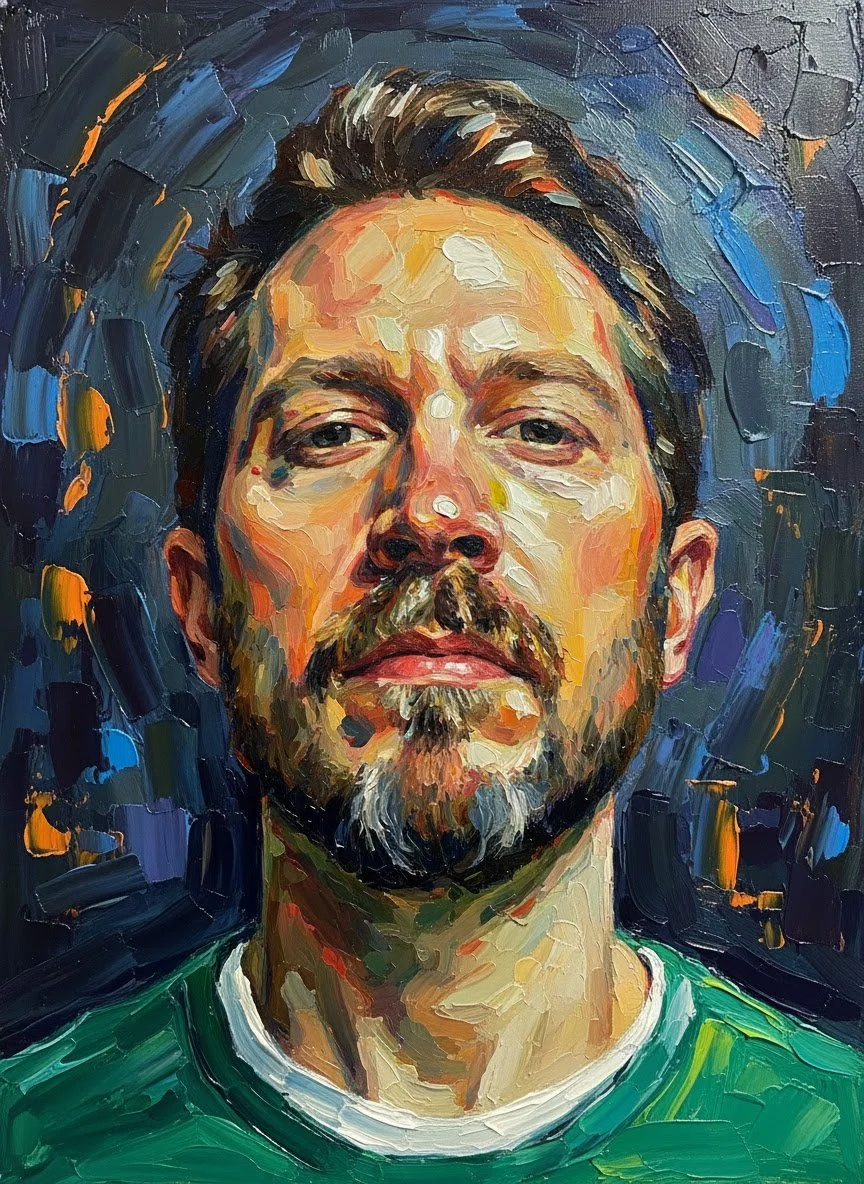
“Where Are You? (Ayeka, Ayeh)”
30 years on, my first single.
It’s a long story. It’s been a long road. But I’ve finally taken the step to put a song out into the wide world. I’ll tell you the story of that song in a moment, but first, the music:
The story behind “Where Are You?”
“Where Are You?” was written in the aftermath of the violent attack at NYC's Central Synagogue during Shabbat services on Friday night, August 14, 2026. (I don't live in New York, but Central has been my spiritual and streaming home for over a decade.) Coming as it did during the month of Elul, the prelude to the Days of Awe, this song emerged of its own volition to help process the emotional and spiritual aftershocks from that terrible event, but also, I feel, to be a guide in how to walk forward with intention and personal accounting into Rosh Hashanah and Yom Kippur, and onward into the new year.
“Ayeh, ayeh, ayeka, ayeh?”
In the Garden of Eden, G-d asks: ayeka, where are you? Today, we, members of the Jewish community, religious and not, are asked the same question. In the face of anti-Jew ignorance, bigotry, hatred, and violence, will we choose to hide out of fear, or stand up, be visible, and make a brighter light by holding our individual flames close to one another?
Each of us has to answer that question alone before we can step forward and link arms with others, so “Where Are You?” begins with the individual. With the old year setting and a new one dawning, as the call of teshuvah, of returning, beckons, will I face the ever-turning year with the intention that I hoped to carry forward — to stand up and be seen, to be visibly and proudly Jewish — or surrender to the weight of the darkness in the world?
The first verse openly admits frailty and weakness. We are all human. Being afraid is nothing to be ashamed of. I will be afraid and I will hide again and again, but when the dust settles, I am here.
The second verse suggests both tikkun olam (the work that has just begun) and the healing and growth that can emerge at the completion of the High Holy Days (the longing to know who and what you might be after a wholehearted process of returning).
“Here I am, I’ll show my face”
The bridge is the true moment of standing up again (showing your face, stepping back into the light). Not after ridding yourself of fear, but coming forward in spite of the fear that still clings to you.
“Here we are, you and me”
The third verse is the heart of the song: ultimately, the healing and the progress, the work and the returning, the facing of fear and finding of strength, is an act of community.
“Where Are You?” is supposed to be a communal prayer, the melody of shared purpose, a musical quilt sewing together all our unique and wildly different patches. Only together can we face the question head-on: Where are you? And only together can we really answer...
Hineni!
Lyrics, chords & tempo changes, oh my.
I hope this song finds a place in your heart and home (maybe even your synagogue or temple). It was clearly meant to be sung in a group, in community. If you’d care to sing along with me, here is a lyric video:
And, finally, for those who feel moved to pick up or sit down at an instrument and bring this song newly to life, here is a video with lyrics, chords, tempo, and even signature for good measure (pun very much intended):